

Quick answer
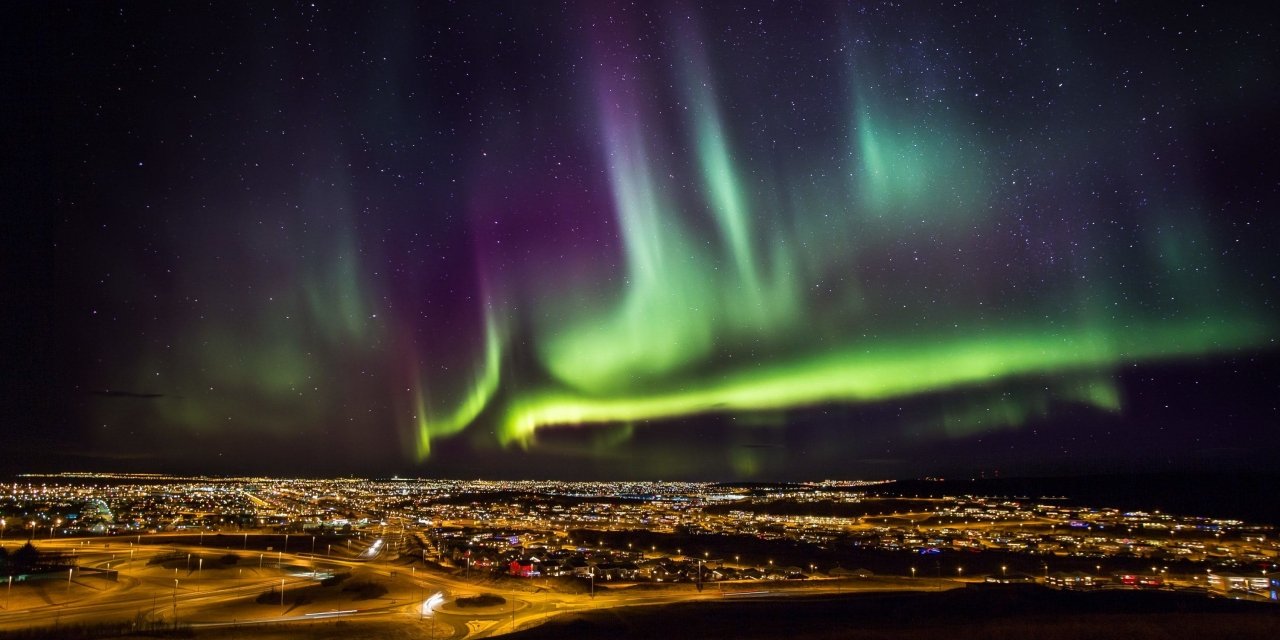
Yes, you can see the northern lights in Reykjavik when geomagnetic activity is strong enough to overcome the city's light pollution. Auroras appear from late August through mid-April during hours of full darkness—typically between 21:00 and 02:00. Visibility improves dramatically in coastal parks, along the waterfront, and in residential outskirts where artificial lighting is minimal. Weak displays remain invisible from downtown, while moderate to strong storms produce visible curtains even near the harbor.
Reykjavik holds the distinction of being the world's northernmost capital, positioned at 64°N latitude—well within the zone where auroral displays occur with regularity during solar storms. Yet the city's 130,000 residents generate enough artificial illumination to wash out all but the brightest auroras from central districts. The question of whether you can see the northern lights in Reykjavik has no single answer; it hinges on storm intensity, your tolerance for urban glow, and willingness to walk twenty minutes toward darker ground. Geomagnetic storms are measured on a Kp index from 0 to 9. Downtown Reykjavik requires Kp 4 or higher for auroras to register above the ambient sky brightness. Coastal green spaces—Grótta lighthouse, Seltjarnarnes peninsula, Öskjuhlíð hill—drop that threshold to Kp 2 by eliminating direct streetlight interference. On nights when the forecast climbs to Kp 5 or 6, green curtains stretch across the entire sky regardless of location, visible even from hotel windows along Laugavegur. Solar maximum years deliver such storms two or three times per month; solar minimum years may pass weeks between strong events. Cloud cover in Reykjavik averages 70 percent during winter months, the same season that offers the necessary darkness for aurora observation. The Icelandic Meteorological Office publishes real-time aurora forecasts combining cloud predictions with geomagnetic activity readings. Visitors staying multiple nights improve their odds by monitoring the forecast and reserving one evening for a quick trip to Grótta or the eastern shore near Laugardalur when conditions align. The aurora itself remains visible throughout the night whenever darkness persists, but peak activity often concentrates between 22:00 and midnight. Reykjavik's compact size means no viewing location sits more than thirty minutes from downtown hotels. Perlan museum and the surrounding Öskjuhlíð woodland offer elevated perspectives with reduced light spill. Nautholsvik geothermal beach and the Seltjarnarnes coastline provide unobstructed northern horizons. These sites cost nothing to access and remain open around the clock, allowing spontaneous visits when the forecast turns favorable after dinner.
“Reykjavik requires Kp 4 or higher for auroras to register above ambient sky brightness from downtown, but coastal parks drop that threshold to Kp 2.”
When Can You See The Northern Lights In Reykjavik?
The prime viewing window for the northern lights in Reykjavik occurs between September and mid-April when Iceland experiences genuine darkness. Optimal sightings require a clear, dark sky within the daily arrival window of 21:00–02:00.
Late Autumn (Sept–Oct)
Moderate tourist numbersCool, 2°C to 7°C; variable conditions
Increased daylight hours allow for evening sightings before the coldest winter temperatures arrive.
Deep Winter (Nov–Feb)
Low to moderate crowdsCold, -5°C to 3°C; snow common
Extended darkness provides the longest windows for aurora activity, though skies are frequently overcast.
Early Spring (Mar–mid-Apr)
Moderate tourist numbersChilly, -2°C to 5°C; clearing skies
Equinoctial activity often increases geomagnetic occurrences, making this a high-probability period for observations.
Verdict: The most favorable period is from September to mid-April, specifically during the daily darkness window of 21:00–02:00.
Opening Hours For Public Viewing Spots Where You Can See The Northern Lights In Reykjavik
Public parks and coastal locations in Reykjavik are accessible at all hours, allowing for flexibility when aurora hunting. These spaces remain open daily.
| Monday | 00:00–23:59 | |
|---|---|---|
| Tuesday | 00:00–23:59 | |
| Wednesday | 00:00–23:59 | |
| Thursday | 00:00–23:59 | |
| Friday | 00:00–23:59 | |
| Saturday | 00:00–23:59 | |
| Sunday | 00:00–23:59 |
How To Get To Locations Where You Can See The Northern Lights In Reykjavik
Darker areas within Reykjavik, such as Grótta or Öskjuhlíð, provide better visibility by reducing light pollution. Accessing these points is straightforward via the local public bus network or by private vehicle.
Strætó line 11 to Seltjarnarnes town hall
Drive via Seltjarnarnes road to Grótta parking
Walking paths from Hlemmur to Öskjuhlíð
Direct service to Grótta Lighthouse
Best Photography Spots Where You Can See The Northern Lights In Reykjavik
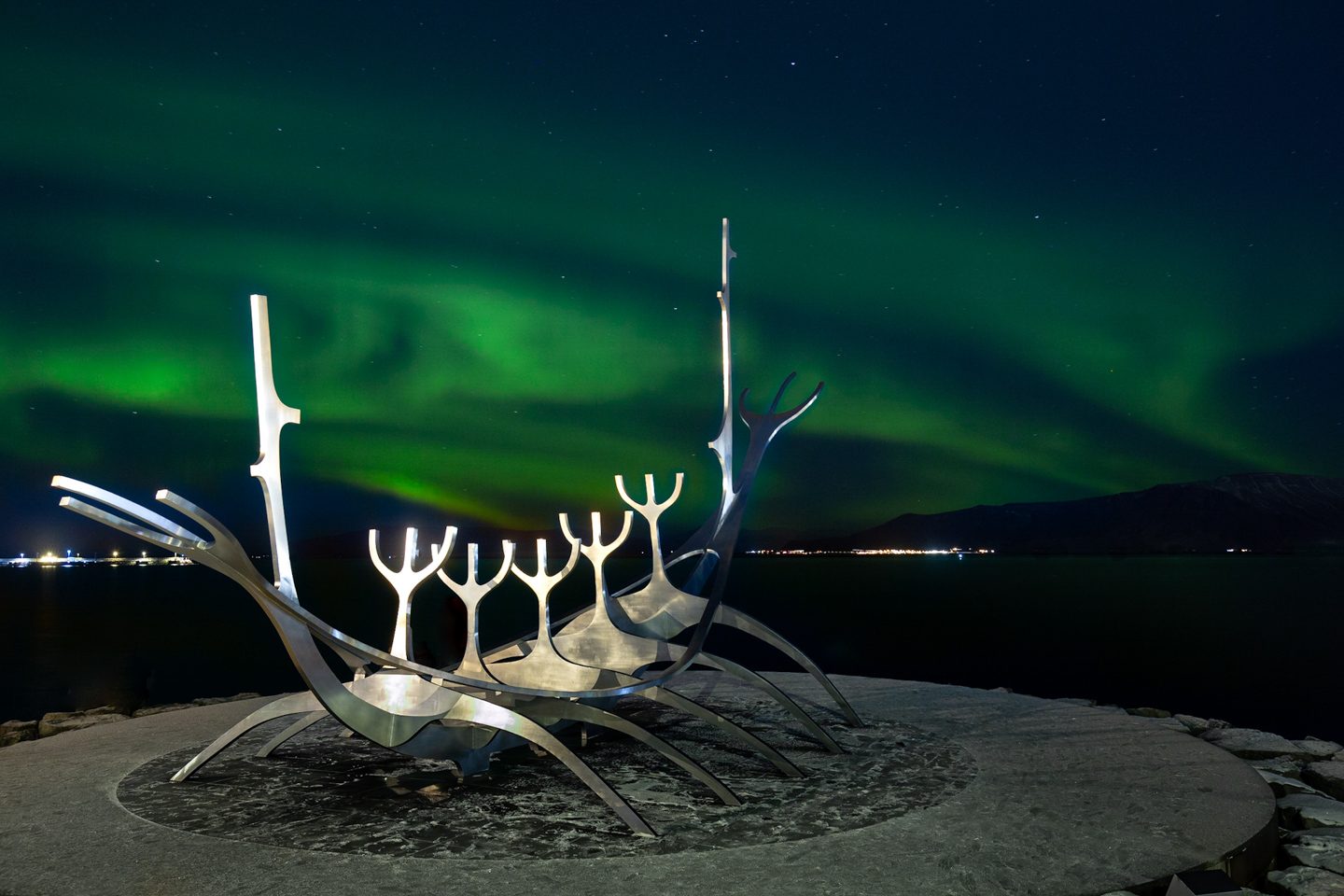
Sun Voyager
Position your camera to capture the steel sculpture silhouette against the northern horizon. Access this public coastal area on foot from the city center.
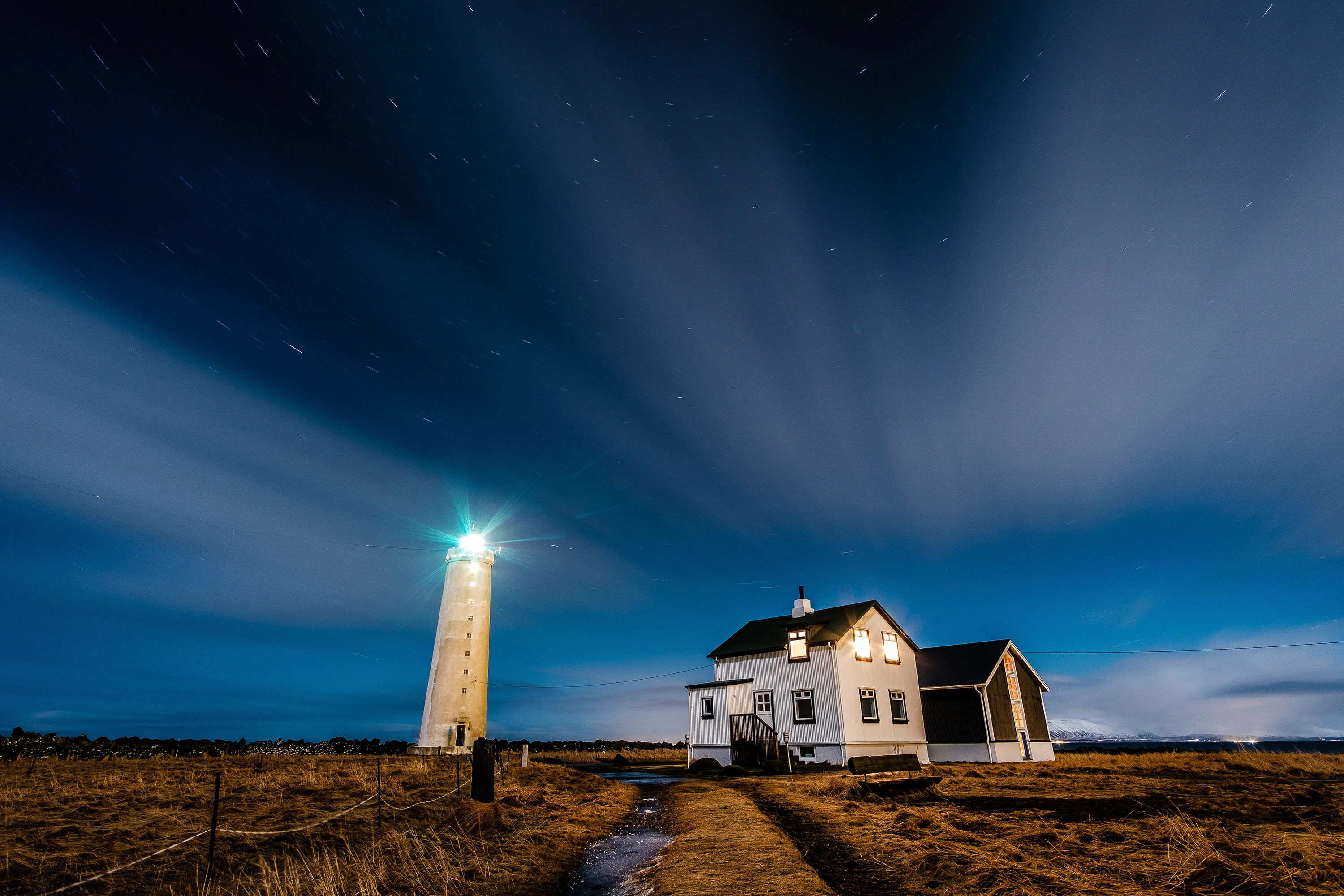
Grótta Lighthouse
The lighthouse offers a dark backdrop away from most city streetlights, ideal for framing the aurora over the water. Be aware of tide schedules when walking the causeway.
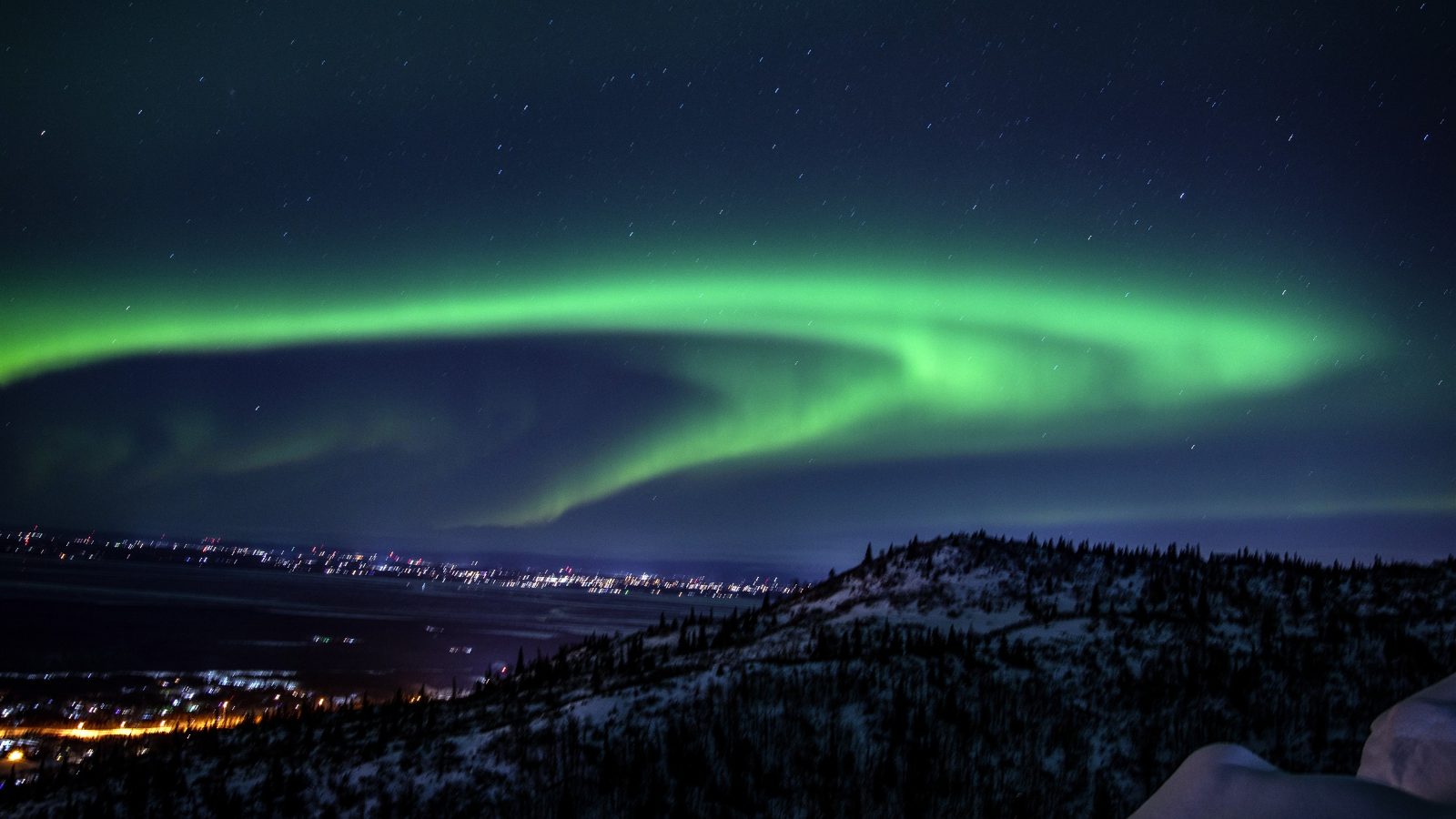
Öskjuhlíð Hill
This wooded area provides an elevated vantage point overlooking the city and the dark sky. The pathways are accessible for those seeking a secluded perspective.
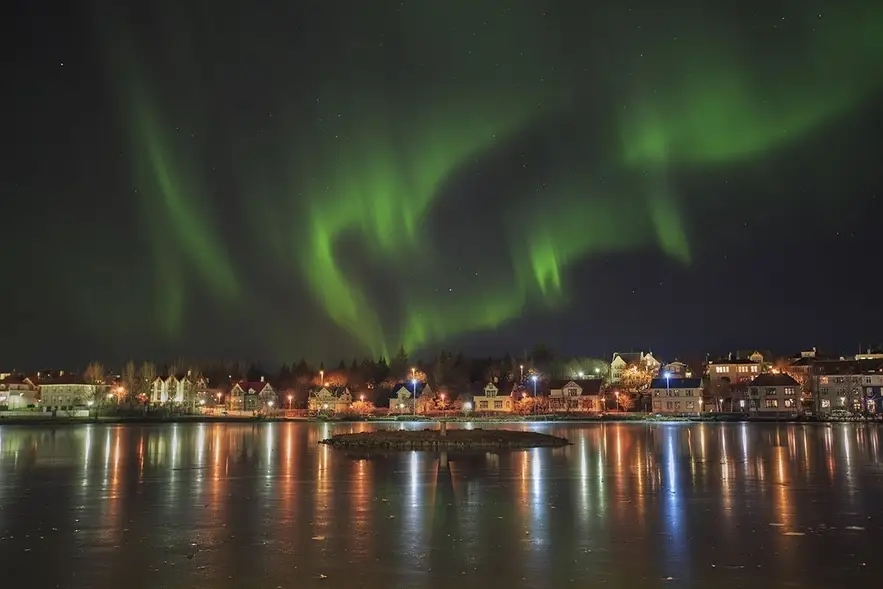
Tjörnin Pond
Reflections of the aurora can be captured in the calm water when conditions are stable. The surrounding pathways offer various angles near the city hall.
Common Mistakes When Trying To See The Northern Lights In Reykjavik
Many visitors expect clear aurora views from downtown Reykjavik and miss the displays entirely. Understanding light pollution and weather patterns prevents wasted nights scanning empty skies.
Staying in the city center and expecting strong visibility
Downtown Reykjavik's street lights and buildings wash out all but the strongest auroras. Drive 15–20 minutes outside the city to darker areas like Grótta or Þingvellir, or join a guided tour that positions you away from light pollution.
Ignoring the cloud forecast and only checking aurora predictions
The aurora forecast shows geomagnetic activity, not whether clouds will block your view. Check both the KP index and the Icelandic Met Office cloud cover map before heading out—clear skies are just as critical as solar activity.
Giving up after one cloudy night without rescheduling
Cloud cover shifts rapidly in Iceland; a overcast evening often clears by midnight or the next night. Build flexibility into your itinerary and monitor real-time weather updates rather than assuming conditions won't improve.
Expecting auroras to appear as bright as long-exposure photographs
Camera sensors capture far more light than human eyes. What you see will often be faint green or white bands that shimmer and move, not the vivid multi-color displays in tourist photos—adjust your expectations to avoid disappointment.
Check availability
Common questions about viewing the aurora in Reykjavik
Everything you need to know about can you see the northern lights in reykjavik